Snelling warned against mistakes of past
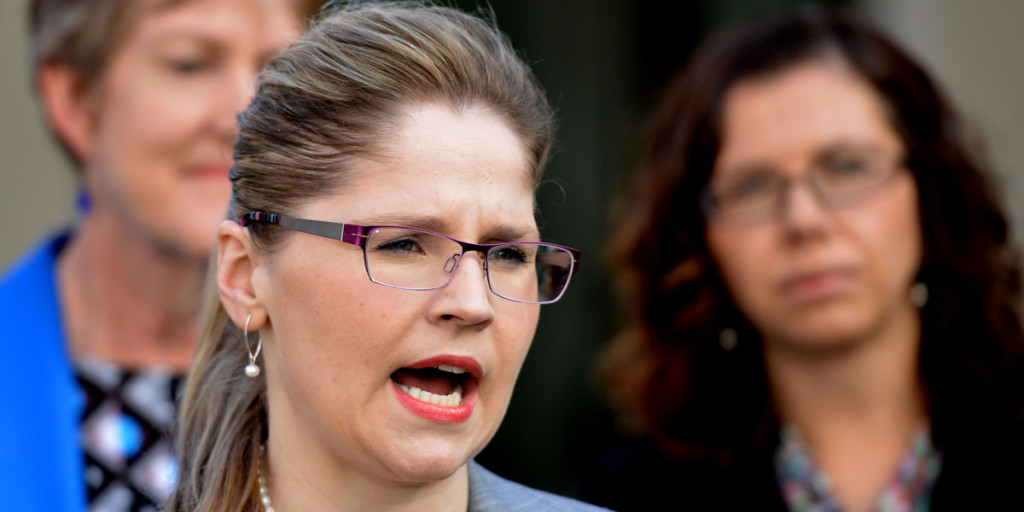
Health Minister Jack Snelling says he agrees with warnings from health professionals against repeating the past “mistakes” of mental health reform in the current round of hospital system changes.
According to representatives of the doctors’ union, the nurses’ union and the College of Emergency Medicine, Snelling’s drive for fewer acute beds risks repeating the mistakes of mental health reforms over the past two decades.
They say those mistakes led to the current overcrowding crisis in emergency departments.
Critics of the mental health reforms say not enough investment was made into community mental health before hundreds of beds were closed.
They say the reforms have been responsible for patients being stuck in emergency departments for days on end without acute beds on wards to go on to.
Snelling told InDaily late this morning that he agreed.
You might like


“I agree with them, and the only way we would be able to make changes to how many beds we did have in our health system is to improve the way the system runs and the outcome for patients so we have people not needing to stay in hospital as long or not needing to be re-admitted,” he said.
“We have also said publicly that we currently have the highest number of acute beds of any state in the country, and we would like to be in the middle of the road with that statistic, but our ability to do that will largely depend on our ability to deliver on the proposals highlighted in the ‘Transforming Health’ paper.”
“We can’t just reduce the capacity of our system overnight, it does not work that way.”
The CEO of the Australian Nursing and Midwifery Federation, Elizabeth Dabars, told InDaily there were “enormous risks” to patients from any premature reduction in acute care beds.
“We will absolutely oppose any acute care bed closure in the absence of the plans or strategies when implemented being shown and absolutely demonstrated, unequivocally, to mean that that bed is actually, physically, no longer required,” she said.
“Is this going to be a repeat of the mental health reforms?
Stay informed, daily
“People were promised that the acute care beds weren’t required, the beds were shut behind people, and time has absolutely demonstrated that, without a doubt, those beds … should not have been shut, because the reforms or changes that have been made have been entirely inadequate.
“We (now) have instances of mental health patients occupying emergency department beds for weeks on end, and consistently so – it’s not even a rare event any more.
“There are enormous risks.”

Sam Alfred of the College of Emergency Medicine agreed.
“The underlying principle behind some of those mental health reforms was the idea that if you shut beds, reduce resources, you will force things to become more efficient,” he said.
“The outcome of that really was that patients languished in emergency because there’s nowhere else to go.
“In fact, all it’s done is punish our patients.”
South Australian Salaried Medical Officers’ Association spokesperson and senior emergency doctor at the Lyell McEwin Hospital, David Pope, told InDaily reducing acute bed numbers further would risk patient safety.
“Mental health patients, when they’re so unwell that they need hospitalisation, if there isn’t an acute mental health bed for them to go to, then they remain in EDs for days,” he said.
“For a number of days, that space can’t be used by other patients.
“It’s almost like taking our whole sections of the emergency department (out) because this involves not just one or two patients – but often, in the Lyell McEwin, up to 10 patients can be in the emergency department for many days waiting for acute mental health beds.”
READ MORE: Mental Health system ‘not integrated’: Chief Psychiatrist
Want to see more stories from InDailySA in your Google search results?
- Click here to set InDailySA as a preferred source.
- Tick the box next to "InDailySA". That's it.