‘Insidious discrimination’ excludes baby boomers
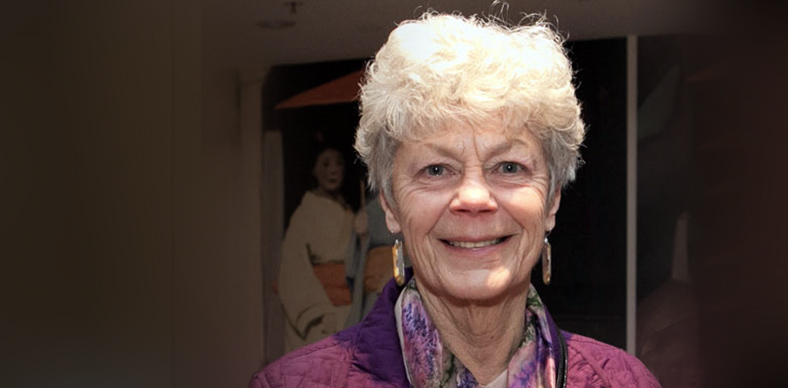
Vivienne Smith decided it was time for a change of workplace.
She had been working in human resources and training for electricity provider ETSA for years, and with an ideal skill set, she put her hand up for a similar job at one of the state’s universities.
She was quickly deemed a ‘preferred applicant’ by the relevant recruitment agency.
“I was pretty sure I would hear from them,” she recalls.
“Some weeks passed and I didn’t hear anything, so I rang the agency to see what was going on.”
She didn’t get the job, and the university refused to say why.
A friend of Vivienne’s resigned from the recruitment agency a few months later and confided the true reason.
You might like

“You haven’t heard it from me, but it was because of your age.”
The university, she said, wanted someone less than 40 years old. Vivienne hadn’t yet marked her 45th birthday.
“I didn’t really consider myself to be particularly old at that stage!”
The incident occurred around 15 years ago – years before changes to federal law gave victims of discrimination the right to complain to the Human Rights Commission.
But age discrimination continues today – and it’s more subtle, and more insidious, advocacy groups say.
According to SA President of the Council on the Aging Professor Anne Edwards, employers often discriminate against baby boomers without even knowing it.
“Often, it’s not deliberate,” she said.
“It’s not intentional. People just don’t think.
Stay informed, daily
“[Employers] have preferences and stereotypes of who they would like to have as their ideal worker, which may carry associations about age.”
Nearly two-thirds of the age discrimination complaints made to South Australia’s Equal Opportunity Commission relate to employment.
Edwards said Australians are either choosing to work 15 to 20 years longer than they have in previous decades or being forced to do so by their financial situation.
She told InDaily that age discrimination was a problem which would have to be tackled if the economy is to adapt to the ageing workforce.
According to the Australian Bureau of Statistics, 22 per cent of Australian workers were aged over 60 in 2011.
The bureau estimates that more than a quarter of the workforce will be aged over 60 by 2031.
Edwards said there needs to be a cultural change – among employers as well as in society more generally – to recognise that work was not something that just young and middle-aged people do.
She receives regular complaints from her members that “it doesn’t matter what they do – they can’t change other people’s expectations and [some employers] don’t want to take people on on the basis of their age. There are plenty of examples of that”.
In May, the Federal Government announced it would increase the subsidy paid to businesses who employ workers aged over 50 who have been on an unemployment benefit or disability support pension for over six months.
“There needs to be a change in the culture of many businesses towards older workers,” Federal Treasurer Joe Hockey said in his Budget speech.
But Business SA policy director Rick Cairney said businesses were adapting quickly to the challenges of an ageing workforce.
“We are not aware of any widespread discrimination” he said.
“Business SA has been proactively working with the Office of the Ageing to promote to employers the benefits of employing mature aged workers.
“There can be issues where manual labour is involved in regards to ensuring workers can work safely.
“However, there are some very good examples of employers proactively employing mature age workers, such as Bunnings Hardware and Taylors Wines.”
Want to see more stories from InDailySA in your Google search results?
- Click here to set InDailySA as a preferred source.
- Tick the box next to "InDailySA". That's it.