Musical review: Chicago
Harking back to the Jazz Age of the late 1920s, Chicago is full of fizz and low comedy, great song and dance performances, and has a shrewd edge intended to make us think, even as we enjoy the razzle dazzle.
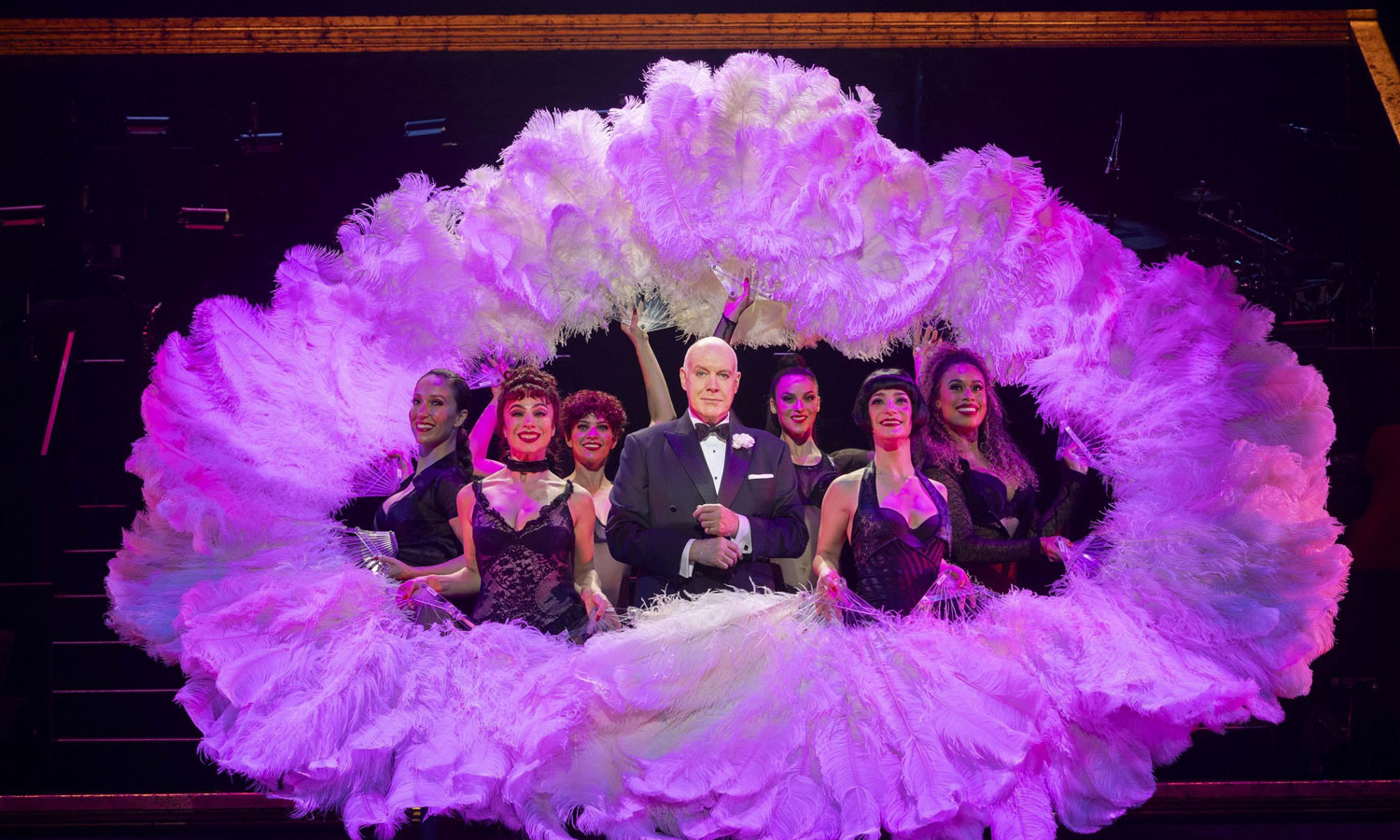
“This is a story of greed, corruption, violence, exploitation, adultery and treachery. All those things we hold near and dear…” Before the curtain even goes up we know there are no red shoes, and this is not Kansas. Chicago, spectacularly successful in ever-ascending increments over not quite fifty years, is vaudeville satire with contemporary flair, raising questions about fickle fame, dubious grandstanding and the undermining of due process. Does that sound uncomfortably familiar?
It was the actor and dancer Gwen Verdon who suggested to her husband, Bob Fosse, that a 1926 stage play by Maurine Dallas Watkins might be a source for a musical. Watkins, remarkable in her own right, was a playwright but also a reporter for the Chicago Tribune who covered the courtroom beat, writing stories about sensational crime in the city.
The characters Roxie Hart and Velma Kelly are based on the actual stories of two women tried and acquitted for murder. These two would-be “celebrity” killers were luridly, but also sentimentally, depicted by so-called “Sob Sister” reporters garnering public sympathy which resulted in controversial not-guilty decisions.
Watkins’ play, a lively critique of cynical media exploitation and manipulation of legal process, was turned into stylish and witty music theatre in 1975 by composer John Kander, lyricist Fred Ebb and director/choreographer Fosse. They were already famous for Cabaret nine years earlier, but Chicago was to continue to have success and influence long after their lifetimes. In a time of electronic media, mischievous social networking, fake news, and a rapacious news cycle, it is now even more timely than 50 years ago.
The current incarnation of Chicago touring Australia and now opened in Adelaide is, like Miss Saigon seen earlier this year, possibly one of the best versions yet produced. Based on the 1996 Broadway revival (directed by Walter Bobbie and choreographed in the style of Bob Fosse by Ann Reinking), this 2024 version with additional choreography by Gary Chryst and direction by Karen Johnson Mortimer has assembled an outstanding Australian cast to astonishing effect.
You might like


Unlike many extravagantly staged musicals of late, John Lee Beatty’s thrifty and compact design allows energy and invention in presentation. In a steeply tiered central block, the musicians and musical director Anthony Barnhill are placed in full view. It also provides exits and entrances for the soloists. When not performing, various ensemble members, are seated on chairs along the sides of the stage. awaiting their next cue to split-second action.
The production has an improvised spontaneity needing neither scenic nor costume changes. The theatrical mechanics are in full view. Bertolt Brecht would be most pleased. William Ivey Long’s costumes are in 50 shades of black. Skimpy slips, leather boots and waistcoats, see-through T-shirts, and brocades, garters and frills.
All of Victoria’s secrets add spice to the signature Fosse choreography. Draping around chairs, tipping hats forward, lock-step group co-ordination, hands raised, fingers shimmering. Flouncing, wiggling and playful. There are fast, bold synchronised routines, contrasted with tableaux of individual contortion, variation and freestyle. The stage movement is thrilling, seemingly effortless, and galvanising to watch.
The individual performances are excellent. Asabi Goodman is commanding as Matron Mama Morton, the Queen Bee of the prison, go-between to the newshounds, supplier of ladies’ luxuries. Her rich bluesy solo “When You’re Good to Mama” says it all. Her later lament “Class” (sung with Velma) is rich with irony.
Subscribe for updates

As Amos Hart, the luckless schmuck married and bonded in servitude to the conniving Roxie (who even persuades him to take the rap for murdering her two-timing lover), Peter Rowsthorn is amiably gormless. His solo “Mr Cellophane” (so many of Fred Ebb’s lyrics are as blithe as they are witty) is a huge crowd favourite.
S Valeri’s rendering of Mary Sunshine, the sob-sister reporter writing gush about Roxie and her impending motherhood, explores the upper reaches of both satire and quivering falsetto in “A Little Bit of Good”. In quick cameos, ensemble members shine – Tom New as Sergeant Fogarty, Emma Russell as the doomed innocent Hunyak, Sarah Heath as Go-to-Hell Kitty and Devon Braithwaite as Roxie’s soon-to-be-plugged-full-of-holes suitor, Fred Casely.
In the key role as the showman attorney Billy Flynn, music theatre legend Anthony Warlow is outstanding. His assured vocals and expansive but understated rendering of Flynn, in all his shenanigans, is a steadying presence in the frenetic narrative. This makes the shameless hypocrisy of “All I Care About is Love” even more satirically delicious. And, of course, his lead part in “Razzle Dazzle”, surrounded by Looney Tunes capering by the ensemble, is a highpoint.
As Velma, the celebrity murderess whose time in the spotlight is being usurped by a challenger, Zoë Ventoura is excellent. She opens the show with the famous Ebb and Kander world-weary saunter “All That Jazz” and later climbs a ladder for “I Know a Girl”. Ventoura is the perfect foil to Lucy Maunder’s Roxie. Differently amoral, she has panache and a kind of existential arrogance. Velma is an outlaw, a rebel who, unlike Roxie, doesn’t believe her own publicity.
Lucy Maunder’s Roxie, with rag doll sooty eye make-up and crimped Jean Harlow blonde bob, is like a devious teenager, wriggling out of situations of her own making, ruthlessly gulling Amos, and convinced that she is a legend in her own cell block. Maunder coos through the disingenuous “Funny Honey”, deadpans through “Me and My Baby” and reveals her lost soul in the soliloquy “Roxie”.
“We Both Reached for the Gun” is the show-stopper for me. Combining Roxie, Billy, Mary Sunshine and the ensemble, it features Roxie preparing for testimony in court. Posed as a dummy to Billy’s Svengali ventriloquist, her deceptions build to an almost hypnotic crescendo, and with it Mary Sunshine breaks into a yodel and the ensemble frenetically sings “the gun” while dancing with furious chugging arm movements.
The 14-member band (terrific all night) maintain impeccable swing rhythm. With a rattling banjo, whipcrack drumming and the surging fluency of horns and brass this orchestrated perjury comes brilliantly to a halt. It is one of many splendid set pieces in this memorable production.
Already surpassing most other musicals, Chicago will continue to thrive with performances of this calibre.
Chicago is playing at the Festival Theatre until August 31.
Want to see more stories from InDaily SA in your Google search results?
- Click here to set InDaily SA as a preferred source.
- Tick the box next to "InDaily SA". That's it.
Free to share
This article may be shared online or in print under a Creative Commons licence