Book review: The Morbids
This review in Writers SA’s literary criticism series A Year in Review looks at Ewa Ramsey’s The Morbids, a novel that explores the contradictions which arise from loss and trauma.
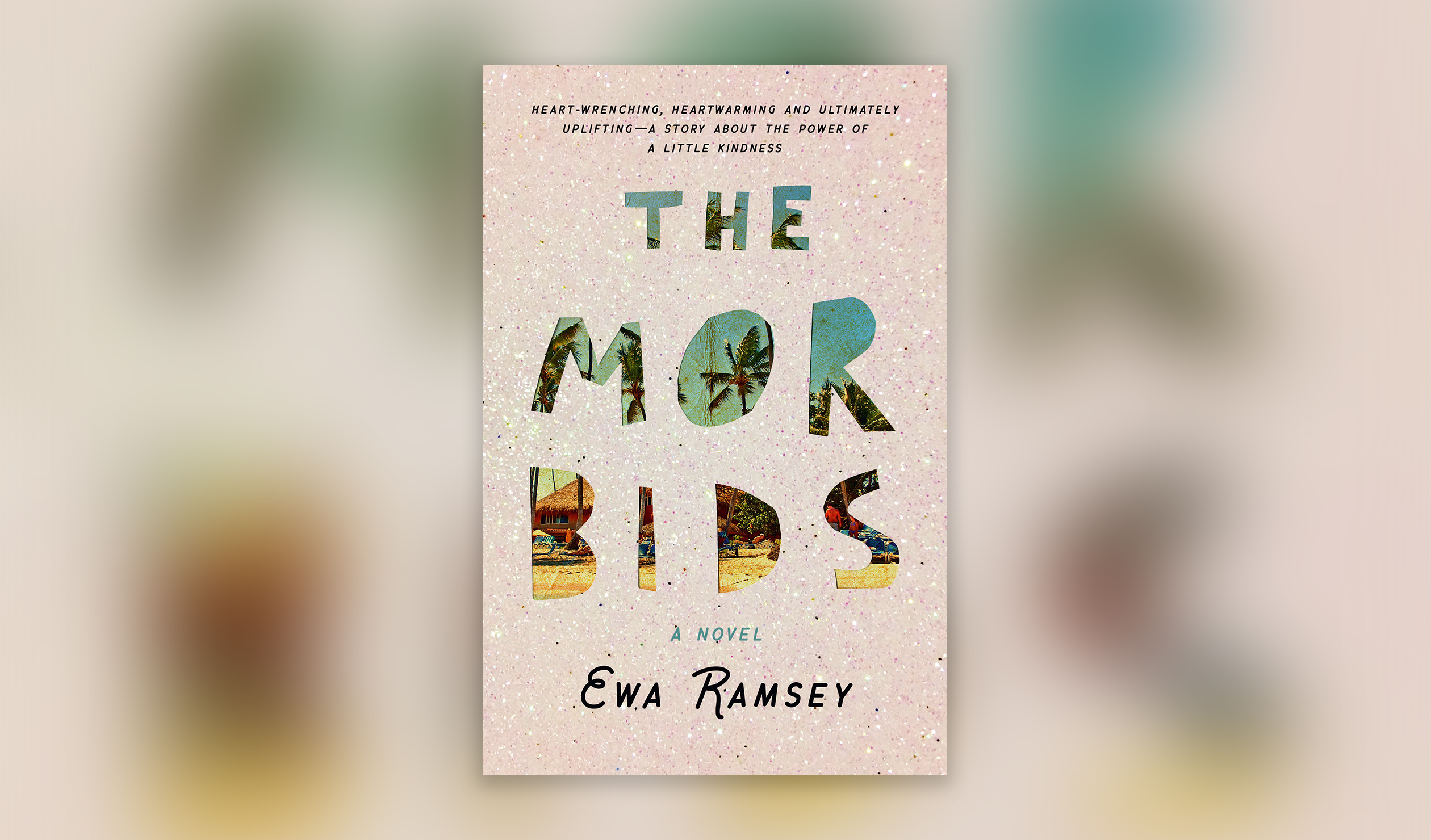
Caitlin is a 28-year-old Sydneysider waitress living in a shabby share-house. Her work, and home, are distractions from her harrowing “Thoughts” – persistent and invasive death anxieties.
At a support group (the titular “Morbids”) she listens to the worries of others but shares very little about her traumatic experiences. When Caitlin’s best friend Lina announces she’s getting married (in Bali, to boot), the subsequent events promise to pull Caitlin from descending fog… or send her deeper in.
Ewa Ramsey explores the contradictions that arise from loss and trauma. Caitlin is terrified of death, but smokes and drinks into oblivion. She is terrified of the past, but actively seeks it out while combing through old possessions. I recognise those contradictions. I have experienced death anxiety after traumatic loss, and I, too, watched the world turn when I felt it should be stone-still. The narrative acknowledges this strange space – jumps back and forth in time, mirrors Caitlin’s fragmented self.
Caitlin’s primary fear is “mugging gone wrong… sexual violence of varying degrees optional”. Ramsey contextualises Caitlin’s anxieties in a climate where women’s voices are being heard louder than ever but still opposed vigorously on the matter of sexual violence. When Caitlin faces “entitled, over-cashed private school grads whose parents still pay their rent but never taught them to keep their hands to themselves”, she is outwardly cool and collected, inwardly awash with panic. She reflects: “They were the type. Entitled. Mean. Maybe more.”
The Morbids provides more familiarity than that of gender-based violence. Hospo workers will find themselves in the well-known territory of slotting life between shifts, working with people at their worst. The share-house setting also addresses cohabitation with people we don’t quite know / would like to know / aren’t willing to know. These settings create wonderful tension between private and public lives and how we craft identity.

While there is familiarity and connection in the themes and settings, much of the writing in The Morbids is deliberately anxious, circular. This is a risky choice; it walks a difficult line, pushing and pulling readers’ attention. It is, at times, successfully disorientating. At others it derails the narrative and disrupts pacing. When the “reveals” happen, they feel somewhat overdue – energy spent on Caitlin’s panic. Additionally, this “internal world” prose detracts from other characters.
Ramsey knits ideas of loss, trauma, connection, and hope together… but doesn’t delve deeply enough into secondary characters. Lina is largely absent until the latter half of the novel (perhaps intentionally, but it feels a bit “McGuffin-y” regardless). We get even less of a window into the life of Caitlin’s love interest, Tom. We receive information akin to a Tinder bio: doctor, reads books, has travelled but would like to travel more. More frustratingly, Tom’s experience of traumatic loss is skimmed over. In a story exploring how our losses intertwine with those of others, this fell short.
Ultimately, the appeal of The Morbids lies in the questions it asks: who are we when we are with each other, and what do we do to one another? Add trauma and death anxiety to the mix and you’ve got a cocktail of human experience; one which is bittersweet and assuredly alcoholic.
The Morbids, by Ewa Ramsey, is published by Allen & Unwin.
Marina Deller is a writer and academic living and writing on Kaurna Country. She writes and researches identity, bodies, grief, and public/private lives.
———-
Subscribe for updates
A Year in Review is an initiative by Writers SA, with assistance from the Australia Council of the Arts, to produce a series of book reviews published in InDaily over 12 months.
The reviews will focus on titles published during the pandemic, highlighting the work of Australian authors and publishers during this difficult time for the sector, and giving literary critics an outlet for their work that supports a strong culture of reading.
See previously published reviews here.
Want to see more stories from InDaily SA in your Google search results?
- Click here to set InDaily SA as a preferred source.
- Tick the box next to "InDaily SA". That's it.
Free to share
This article may be shared online or in print under a Creative Commons licence