Lego Masters builds a new audience for Nine
A wholesome yet oddly compelling show featuring teams of contestants building structures from Lego pieces has become Australia’s surprising new television hit. So what is the secret of its success?
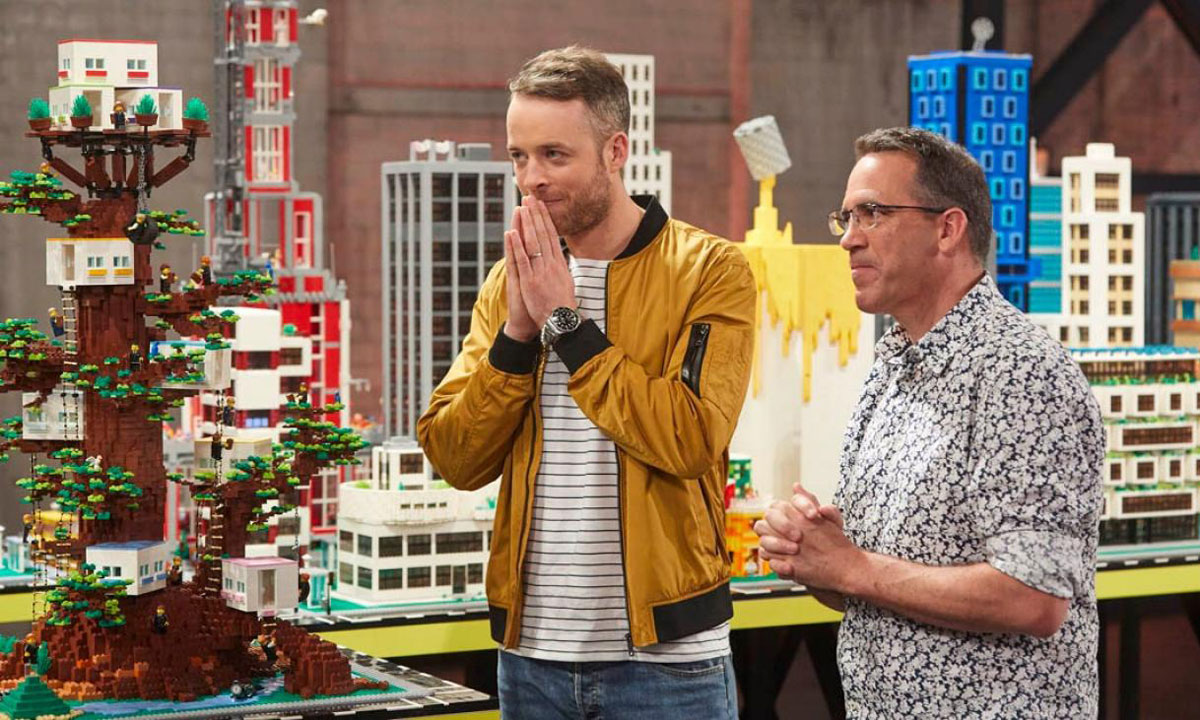
When Nine’s juggernaut success Married at First Sight ended in April after months of ratings-breaking vitriol, controversies and bed-hopping, the big question for the network was how to follow it up.
Enter an unlikely hero and perfect antidote: Lego Masters.
Launched on April 28, the show was No.1 in Australia last week. Its metro audience of 1.38 million topped Seven’s My Kitchen Rules’ grand final last Wednesday (1.22 million viewers) and Tuesday’s MasterChef launch on Ten (715,000).
Lego Masters followed up by dominating Sunday viewing on May 5. It topped all demographics and drew a peak audience of 1.866 million.
That puts it firmly into Married at First Sight territory, but the concept of the nine-episode reality series could not be more diametrically opposite to that of its Endemol Shine stablemate.
“It’s a palate cleanser,” Nine’s program director Hamish Turner tells The New Daily.
“Who would have thought engineering would be part of primetime?”
The show sees teams of multi-age contestants – a DJ, engineer, grandmother and grandson, students – judged on structures built from a stockpile of 2.5 million Lego pieces for a $100,000 prize.
You might like


Hosted by Hamish Blake, the whole package is oddly compelling and suspenseful. And all without a puppet master producer’s plot twist or confected affair in sight.
“It showcases the power of imagination,” Turner says.
“Everyone’s tapping into the new nostalgia where you have those experiences with your kids that you had growing up, so it’s a really easy show to access.”
Lego Masters is “family viewing, it’s non-confrontational, it’s educational, very wholesome”, media analyst Steve Allen from Fusion Strategy says.
“It has all the positive attributes that you don’t often see in television programs. There’s no downside at all.”
The only potential hard nut is judge Ryan McNaught, aka “The BrickMan”. The former corporate chief information officer is one of only 13 Lego Certified Professionals in the world, but even he is just gently encouraging.
“You don’t have to be a Lego auteur to appreciate the show, you just have to know what Lego is,” Blake told the Sydney Morning Herald.
“At its heart it’s about creativity, and I think that’s something everyone can understand.”
The biggest controversies seem to be about design and sharing of blocks among teams.
Subscribe for updates
“Triangles are a lot stronger than a lot of other shapes”, said one contestant on Monday. Added another: “Those pillars are impressive, man.”
Nine “is always reluctant to call something a breakout hit” pre-launch, but the network was quietly confident Lego Masters would find an audience, Turner says.
“We took heart in the fact there was familiarity there with two big brands: Lego and Hamish Blake. He’s a great tool for marketing and he plays well-worn tropes of reality television, which just add layers to the show.”
Is Allen surprised by the show’s success?
“Yes,” he says.
“I didn’t grow up playing Lego, so I kind of went, ‘How do you have a program about playing with it?’
“But there’s clearly a massive number of people who are imbued with this sense of fanaticism. And Hamish Blake is very good – without him I don’t think it would have the same resonance.”
Deciding to follow up MAFS with circuit-breaking family fare “was part of my thinking, but not the driving motivator”, Turner says.
But the network would have known audiences “can’t have a solid diet” of risque relationships for the entire year, claims Allen.
“In some respects Lego Masters wouldn’t have been the same hit had it not immediately followed MAFS because it’s such a contrast.
“It’s gone from, ‘Kids cannot watch this’ to ‘Everyone pile on the couch’.”
This article was first published on The New Daily.
Want to see more stories from InDaily SA in your Google search results?
- Click here to set InDaily SA as a preferred source.
- Tick the box next to "InDaily SA". That's it.
Free to share
This article may be shared online or in print under a Creative Commons licence